Oud vs Agarwood: Understanding the Difference
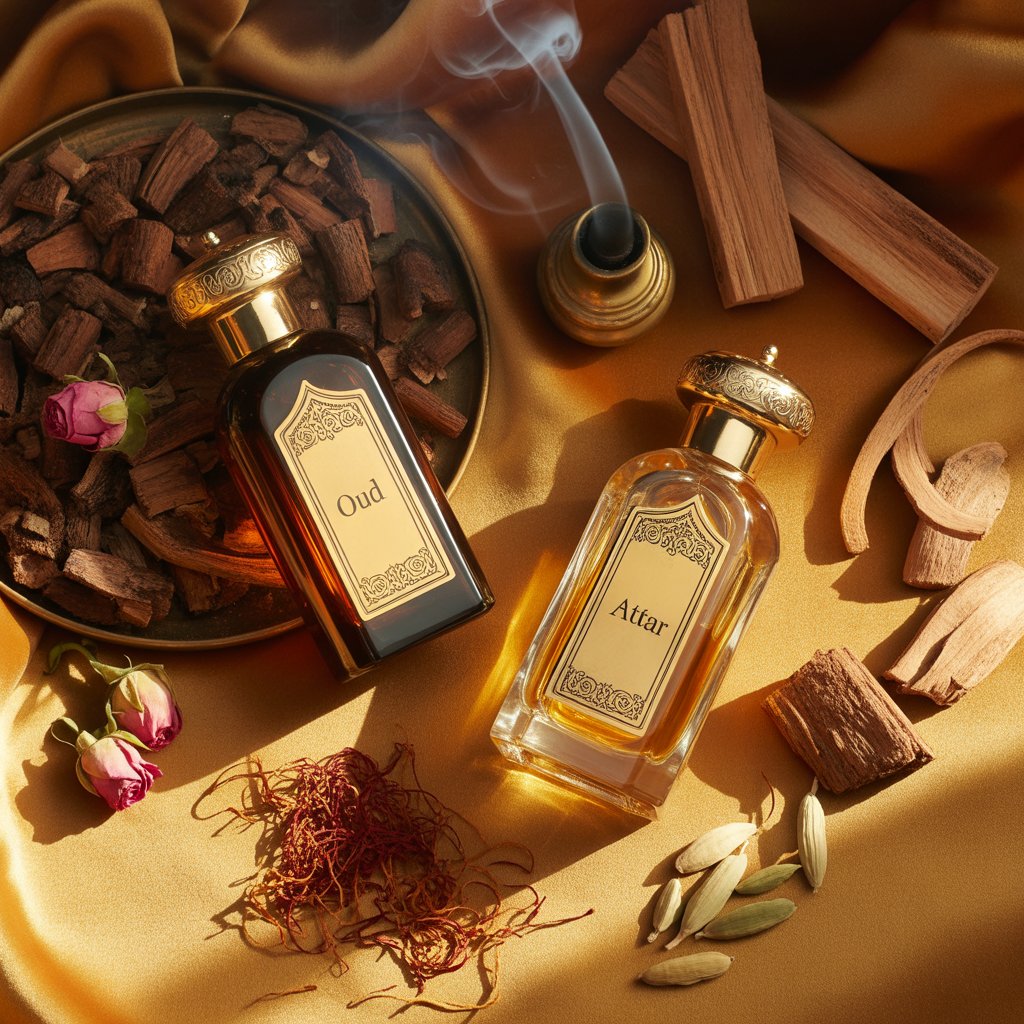
Oud and agarwood are often used interchangeably in the world of perfumery, yet they have subtle but important differences. Both come from the same source but represent different stages in the aromatic journey of a tree and its resin-rich heartwood.
At EmiriOud, these distinctions are carefully understood and applied to create refined, high-quality perfumes. Let’s explore what makes oud and agarwood unique and how they shape modern fragrance creation.
What Is Agarwood?
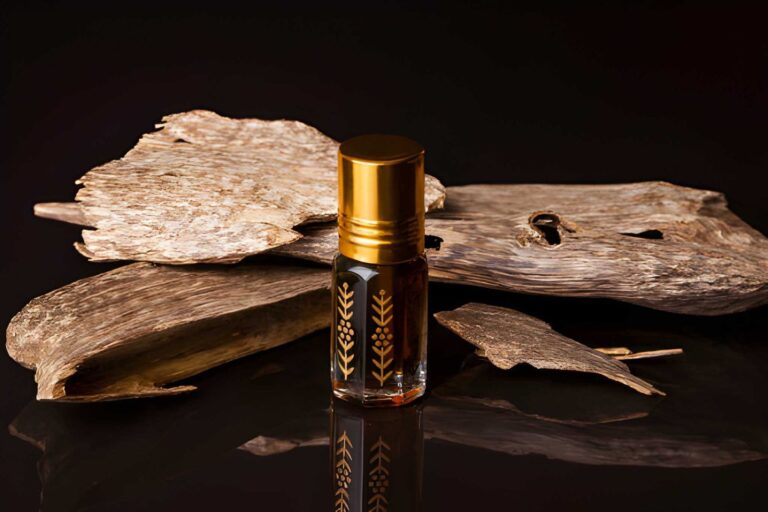
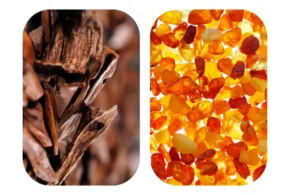
Agarwood is a dark, fragrant resin that forms when the Aquilaria tree becomes infected with a specific type of mould. In response to the infection, the tree releases a protective resin, turning its once pale wood into a rich, dark substance full of complex aromas. This process can take decades, which is one reason for agarwood’s high value and rarity.
Understanding the Agarwood Tree
The Aquilaria tree thrives in tropical climates across Southeast Asia, particularly in regions like Assam, Vietnam, and Indonesia. Not all Aquilaria trees produce agarwood naturally — only those that have undergone infection or artificial inoculation. Sustainable harvesting and cultivation methods are increasingly being adopted to protect these precious trees.
Production and Sources of Agarwood
Natural agarwood is sourced from aged Aquilaria trees, which may be found in both cultivated plantations and wild forests. Modern environmental practices promote inoculated trees, ensuring ethical production without depleting wild resources.
Oud vs amber: A Complete Comparison
Grades of Agarwood
Agarwood is graded based on factors such as resin concentration, colour, aroma depth, and geographical origin. High-grade agarwood is dark, dense, and intensely fragrant, while lower-grade wood has lighter tones and a milder scent.
What Is Oud?
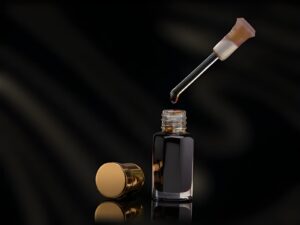
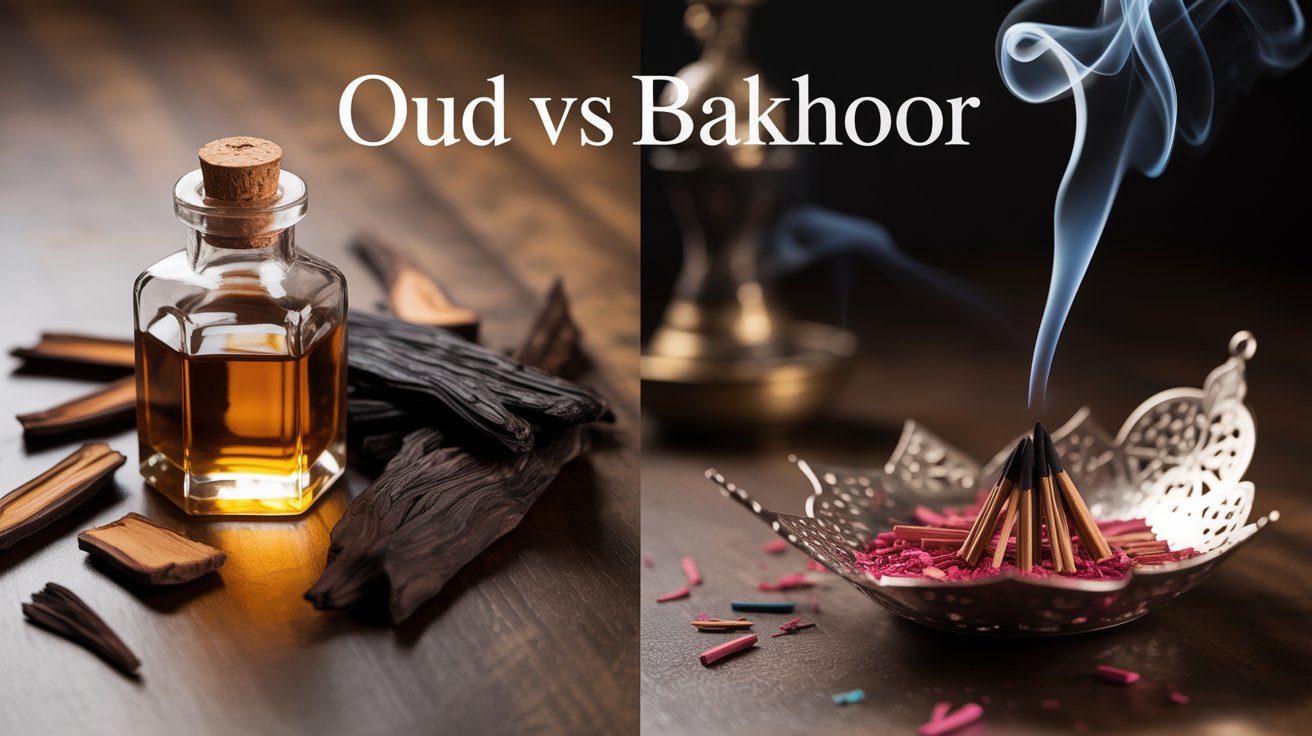
Oud, often called “liquid gold,” is the essential oil distilled from agarwood. It represents the pure essence extracted through steam distillation of resinous wood chips. The scent of oud is deep, powerful, and long-lasting — a hallmark of luxury perfumery.
Exploring the Aroma of Oud
Oud is known for its distinctive scent profile — earthy, smoky, woody, and subtly sweet. The aroma evolves beautifully on the skin, revealing layers of warmth and sophistication that vary depending on the oil’s origin and distillation method.
Production and Sources of Oud
The production of oud oil requires significant skill and patience. It involves distilling agarwood chips, often for days, to capture the rich, complex fragrance. True oud is rare and costly due to the low yield of oil per kilogram of wood.
Oud vs Sandalwood: Key Differences, Benefits & Which Fragrance is Better?
Grades of Oud
Just like agarwood, oud oil is categorised by purity, origin, and extraction quality. Pure distilled oud is rich and potent, while blended versions are lighter and more versatile, often designed for broader consumer appeal.
The Aromatic Differences Between Agarwood and Oud
While agarwood refers to the resin-infused wood itself, oud represents the concentrated oil derived from that resin. Agarwood has a more subtle, dry woody scent, whereas oud presents deeper, more intense notes with hints of leather, smoke, and amber.
Aroma Profiles of Agarwood
Agarwood’s natural scent is balanced and woody, with gentle earthy undertones. When burned or infused, it releases a calming fragrance that carries natural warmth.
Aroma Profiles of Oud
Oud oil, on the other hand, is more opulent and multilayered. It exudes an elegant combination of smoke, sweetness, and spice, making it a cherished base note in many luxury perfumes.
Factors Influencing Aroma Differences
The scent of both materials varies based on several factors — the tree species, region of growth, age, and distillation technique. Even the water or equipment used in the extraction can influence the final fragrance profile.
Oud vs Musk Perfume: What’s the Difference?
The Perfume Industry and Agarwood
Agarwood and oud have captivated perfume artisans for centuries. Today, they serve as the foundation of numerous niche and high-end fragrances, often used for their rich depth and long-lasting quality.
The Use of Agarwood and Oud in Perfumes
Both are prized as base notes that lend longevity and sensual warmth. Perfumers typically blend them with florals, spices, or musks to craft alluring scents that evolve beautifully over time.
Perfume Composition and the Role of Agarwood/Oud
Oud and agarwood oils act as fixatives in perfumes, anchoring lighter top and middle notes. This balance ensures that a fragrance remains vivid and complex throughout the day.
The Demand for Agarwood and Oud in the Perfume Industry
The rarity and exotic appeal of natural oud drive high global demand. However, due to sustainability concerns and cost, many perfumers now explore creative blends to replicate its essence.
Synthetic Alternatives to Agarwood and Oud
Given their limited availability and high cost, synthetic versions of oud and agarwood have emerged. These provide accessible alternatives, allowing modern perfumers to emulate their rich depth without relying entirely on natural sources.
Consumer Preference: Natural vs Synthetic Perfumes
Many fragrance enthusiasts still prefer natural oud for its authenticity and evolving character. However, high-quality synthetics can offer consistent results, making them appealing for daily wear and mass-market cosmetics.
Agarwood and Oud Across Cultures
From ancient rituals to luxurious daily use, both materials carry deep cultural roots across the world.
Agarwood and Oud in Southeast Asia
In regions like Thailand and Cambodia, agarwood is revered in spiritual traditions. It’s used in temples and ceremonies for its soothing, purifying scent.
Agarwood and Oud in Arab Countries
In the Middle East, oud symbolises luxury, hospitality, and prestige. It’s worn as oil and burned as incense, forming part of cultural identity and celebration.
Identifying Real vs Fake Agarwood and Oud
With soaring demand, counterfeit versions have entered the market. Understanding how to identify authentic oud products is crucial for buyers seeking quality and value.
Differentiating Between Natural and Synthetic Oud Scents
Natural oud carries a multi-dimensional aroma that evolves with wear, while synthetic oud tends to be more linear. Genuine oud also lingers longer and reveals subtle earthy undertones upon dry down.
Is oud stronger than perfume?
Detecting Fake Oud in Perfumes
Fake oud often smells overly sweet, sharp, or chemical. Real oud develops gradually on the skin, with depth and warmth, while imitations fade quickly or feel artificial. Trusted sourcing and ingredient transparency are good indicators of authenticity.
The Bottom Line
Whether you favour the depth of oud or the natural purity of agarwood, both materials offer an unmatched sensory experience. From traditional incense to modern body perfume creams infused with oud, these scents continue to define elegance and individuality. When choosing your fragrance, seek well-crafted blends that balance authenticity, sustainability, and artistry.
FAQs
1. Is oud the same as agarwood?
Not exactly. Agarwood is the resinous wood formed in the Aquilaria tree, while oud is the essential oil extracted from that resin.
2. Why is oud so expensive?
Oud is costly because it’s produced in very small quantities from rare agarwood and requires a complex extraction process.
3. Can agarwood be grown sustainably?
Yes. Many producers now cultivate Aquilaria trees and use inoculation methods to ensure ethical, sustainable agarwood production.
4. How can I tell if my oud perfume is real?
Authentic oud has a layered, evolving scent that deepens over time. Genuine products often emphasise natural sourcing and refined simplicity.
5. Which is better for fragrance layering — oud or agarwood?
Oud is ideal for layering due to its intensity and warmth, making it perfect for pairing with florals, spices, or musks for a long-lasting effect.