Oud vs. Musk: Discover the Difference Between Bold Arabian Scents
Oud and musk stand as two of the most captivating and luxurious notes in perfumery. Both have deep roots in Arabian culture and are treasured across the world for their rich, alluring qualities. Understanding the distinction between these two iconic scents allows you to appreciate their essence on a deeper level and make an informed choice when selecting your next fragrance.
Understanding Oud
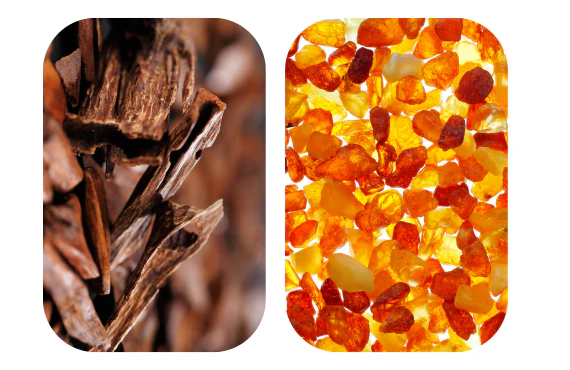
Oud, also known as agarwood, originates from the resinous heartwood of the Aquilaria tree. This rare and precious material forms when the tree becomes infected with a specific type of mould, resulting in a dark, aromatic resin that produces a deep, smoky, and woody aroma. Oud is often described as sensual, warm, and long-lasting — the epitome of luxury and opulence in modern perfumery. At EmiriOud, this richness is carefully captured to create refined, high-quality fragrance experiences.
Due to its scarcity, natural oud is one of the most expensive perfume ingredients in the world. It forms the foundation for many niche and Arabian-inspired fragrances, often paired with notes of amber, leather, saffron, and rose to create a complex and layered scent experience. EmiriOud embraces these timeless combinations to deliver sophisticated and memorable scents.
The Mystique of Musk
Musk, once derived from the glands of the male musk deer, exudes a soft, sensual aroma that acts as a fixative in perfumes, helping other notes last longer on the skin. Today, synthetic alternatives emulate the warm, powdery qualities of natural musk while ensuring sustainable and ethical production.
Unlike the bold earthiness of oud, musk conveys a subtle sensuality — comforting, creamy, and skin-like. It’s often described as the scent of intimacy, enhancing depth and warmth in many perfume blends.
Natural vs. Synthetic Musk
Ethical concerns and conservation efforts have led perfumers to develop high-quality synthetic musks. These lab-created alternatives capture the scent profile of natural musk without harming wildlife. Synthetic musks also allow for consistency in fragrance formulas, offering perfumers more creative control and ensuring availability for a wide range of scent styles.
Natural musk is now rarely used in commercial perfumery, making modern musk fragrances pure, clean, and environmentally conscious while maintaining their seductive charm.
Oud vs amber: A Complete Comparison
Oud vs Musk: Distinguishing Factors
- Origin: Oud comes from agarwood trees; musk originated from animals but is now largely synthetic.
- Scent Profile: Oud is woody, smoky, and intense, while musk is soft, powdery, and sensual.
- Usage: Oud often dominates a fragrance, forming its heart or base; musk blends seamlessly as a supporting or base note.
- Longevity: Both are long-lasting, but oud typically leaves a more pronounced trail, whereas musk lingers close to the skin.
The Chemistry of Scents
Fragrance chemistry determines how oud and musk interact with your skin and with other notes. Oud’s complex molecular structure gives it incredible depth, evolving over time from smoky intensity to warm sweetness. Musk molecules, on the other hand, act as scent enhancers, extending the life of fragrant oils and balancing sharp or bold accords.
Cultural Significance
In Arabian culture, both oud and musk hold spiritual and social meaning. Oud is often burned as incense during religious ceremonies and celebrations, symbolising purity and hospitality. Musk, with its soft intimacy, is historically associated with refinement and personal grooming. These traditions continue today, reflecting the enduring connection between scent, identity, and cultural expression.
Crafting the Perfect Balance
Blending oud and musk requires precision. While oud provides intensity and depth, musk adds sensuality and smoothness. Perfumers strive to find harmony between the two — the boldness of oud wrapped in the gentle embrace of musk. Such combinations often result in fragrances that are both powerful and refined, making them ideal for those seeking sophistication and character.
Oud vs Sandalwood: Key Differences, Benefits & Which Fragrance is Better?
Top Fragrances Combining Oud and Musk
Many haute perfumes showcase the best of both worlds — the strength of oud harmonised with the softness of musk. These blends often include complementary notes such as rose, amber, and sandalwood, producing an aroma that is both mysterious and wearable for day or night occasions. The result is a composition that feels timeless yet modern, alluring yet elegant.
Buying Guide: What to Look for in a Fragrance
When choosing between oud and musk, or a perfume that blends the two, consider the following points:
- Concentration: Eau de parfum and pure oils offer stronger projection and longevity.
- Balance: Determine whether you prefer the dominance of oud or the comforting subtlety of musk.
- Occasion: Oud-rich fragrances are perfect for evening wear, while musk-leaning scents suit daily use.
- Personal Chemistry: Always test on your skin — both notes evolve differently depending on individual body chemistry.
How to Create Perfume Oil for Yourself
Crafting your own perfume oil is a rewarding process that lets you express your individuality. Start with a carrier oil, such as jojoba or sweet almond, then add concentrated fragrance oils. Combine woody oud notes with lighter musks in small ratios, testing until the blend feels balanced. Let the mixture mature for at least a week in a dark, sealed bottle to enhance its depth and harmony.
Unveiling the Mystique: Oud and Musk in Modern Perfumery
Modern perfumery continues to reinvent oud and musk through innovation and artistry. By merging traditional Middle Eastern craftsmanship with global influences, perfumers create scents that celebrate heritage while appealing to contemporary sensibilities. Whether you’re drawn to oud’s bold intensity or musk’s soft allure, these timeless ingredients remain an emblem of elegance, confidence, and individuality.
Conclusion
Oud and musk each tell their own story — one rich with ancient tradition, the other steeped in sensual warmth. Together, they embody the soul of Arabian perfumery and continue to shape modern fragrance design. Understanding how they differ and complement one another will guide you to your perfect scent harmony — a personal expression of sophistication and style.
FAQs
1. What makes oud so expensive?
Oud originates from agarwood, a rare resin produced by infected Aquilaria trees. Its scarcity, complex extraction process, and high demand make it one of the most valuable perfume ingredients globally.
2. Is natural musk still used in modern perfumes?
No, due to ethical and environmental concerns, natural musk has been replaced by synthetic versions that replicate the rich aroma without harming animals.
3. How can I tell if a perfume contains real oud?
Genuine oud tends to evolve on the skin, shifting from smoky and resinous to warm and sweet. Synthetic oud alternatives often smell lighter and more consistent throughout wear.
4. Can oud and musk be worn together?
Yes, many high-end perfumes blend both. The combination creates balance — oud adds depth while musk softens the overall composition, resulting in a luxurious and versatile scent.
5. What’s the best way to make my oud or musk perfume last longer?
Apply perfume to pulse points, avoid rubbing the skin, and store your fragrance away from heat and sunlight. Layering with matching body oils or lotions can also help the scent endure throughout the day.