What Is the Difference Between Oud and Perfume?
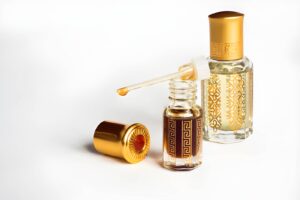
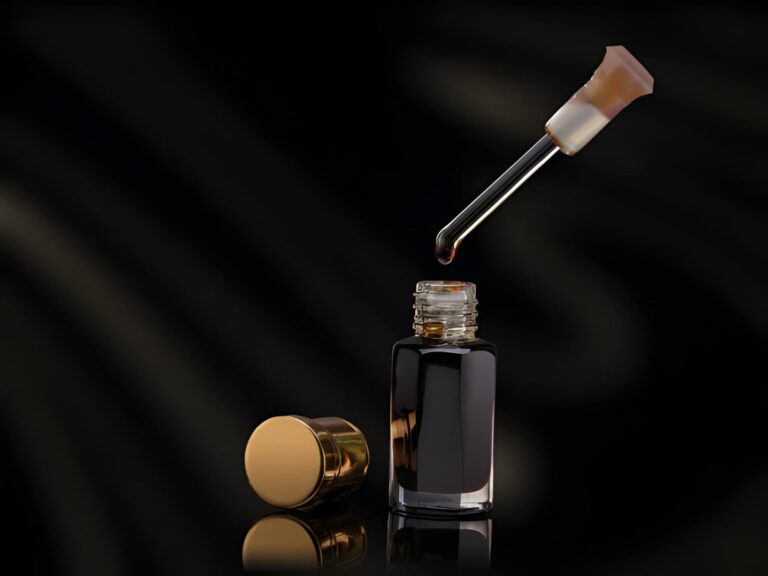
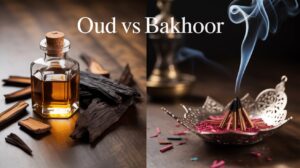
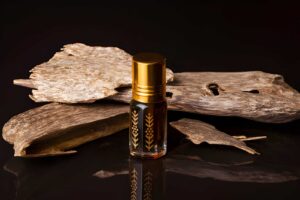
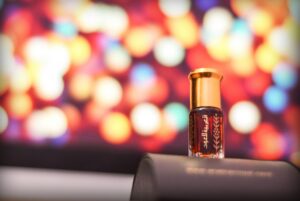
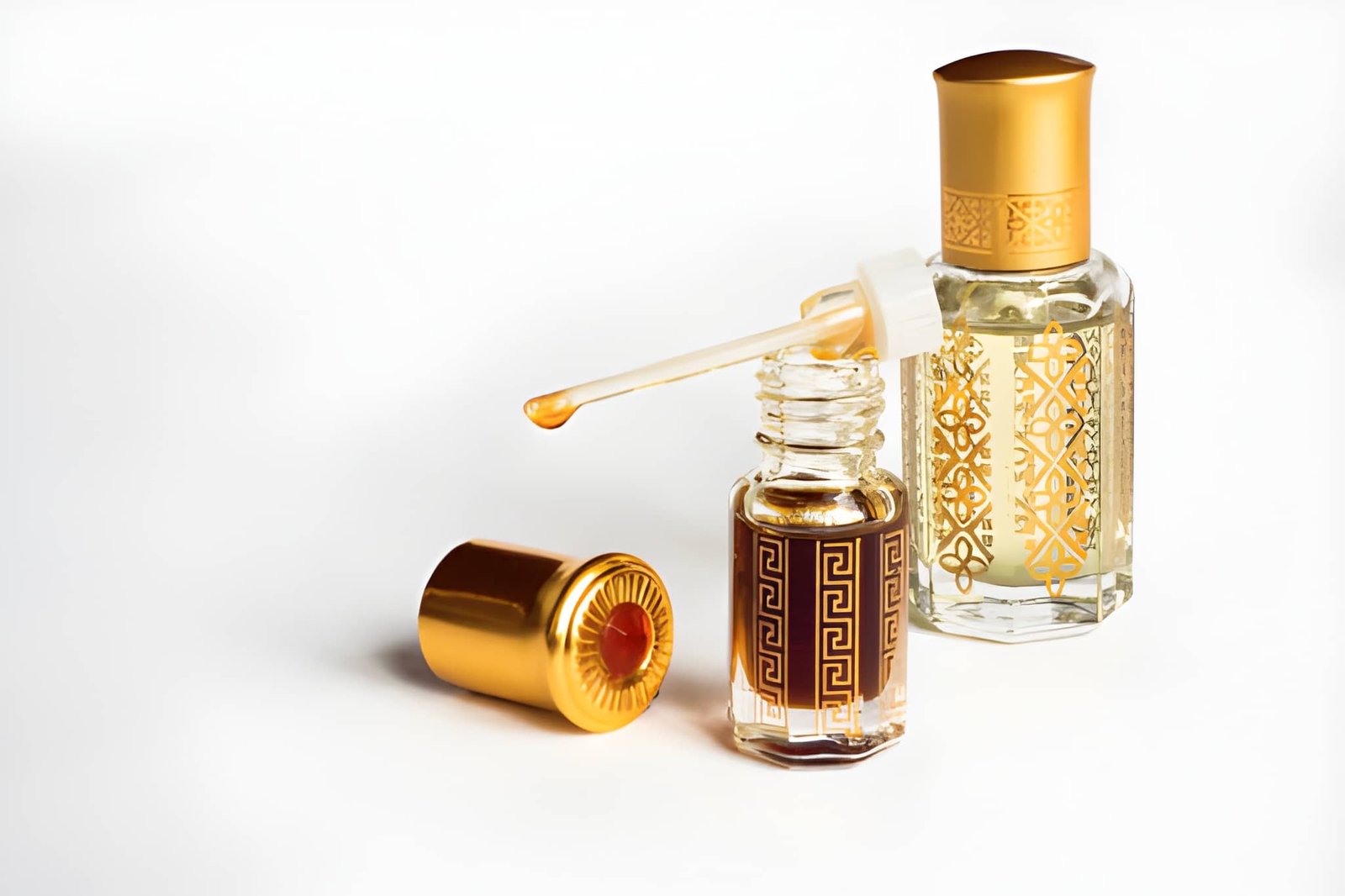
Perfume is an umbrella term for scented liquids created using a blend of essential oils, aroma compounds, and solvents. Oud, on the other hand, is a specific type of fragrance ingredient, often referred to as ‘liquid gold’ for its rarity and luxurious aroma. Originating from the resinous heartwood of the Aquilaria tree, oud offers a complex, woody, and slightly sweet scent that has captivated perfumers for centuries.
While perfume can contain many ingredients, oud stands out for its deep, sensual tone. It is typically used in high-end fragrances, often as a base note, giving depth and warmth to the overall composition. If you enjoy rich, earthy, and long-lasting scents, oud perfumes are a perfect choice.
What Is EDT and How to Use EDT Perfume?
EDT stands for ‘Eau de Toilette’. It is a lighter concentration of perfume oils, usually between 5% and 15%, making it ideal for daily wear. Compared to Eau de Parfum (EDP), which contains a higher oil concentration, EDT offers a softer aroma that fades more quickly but feels refreshing and elegant.
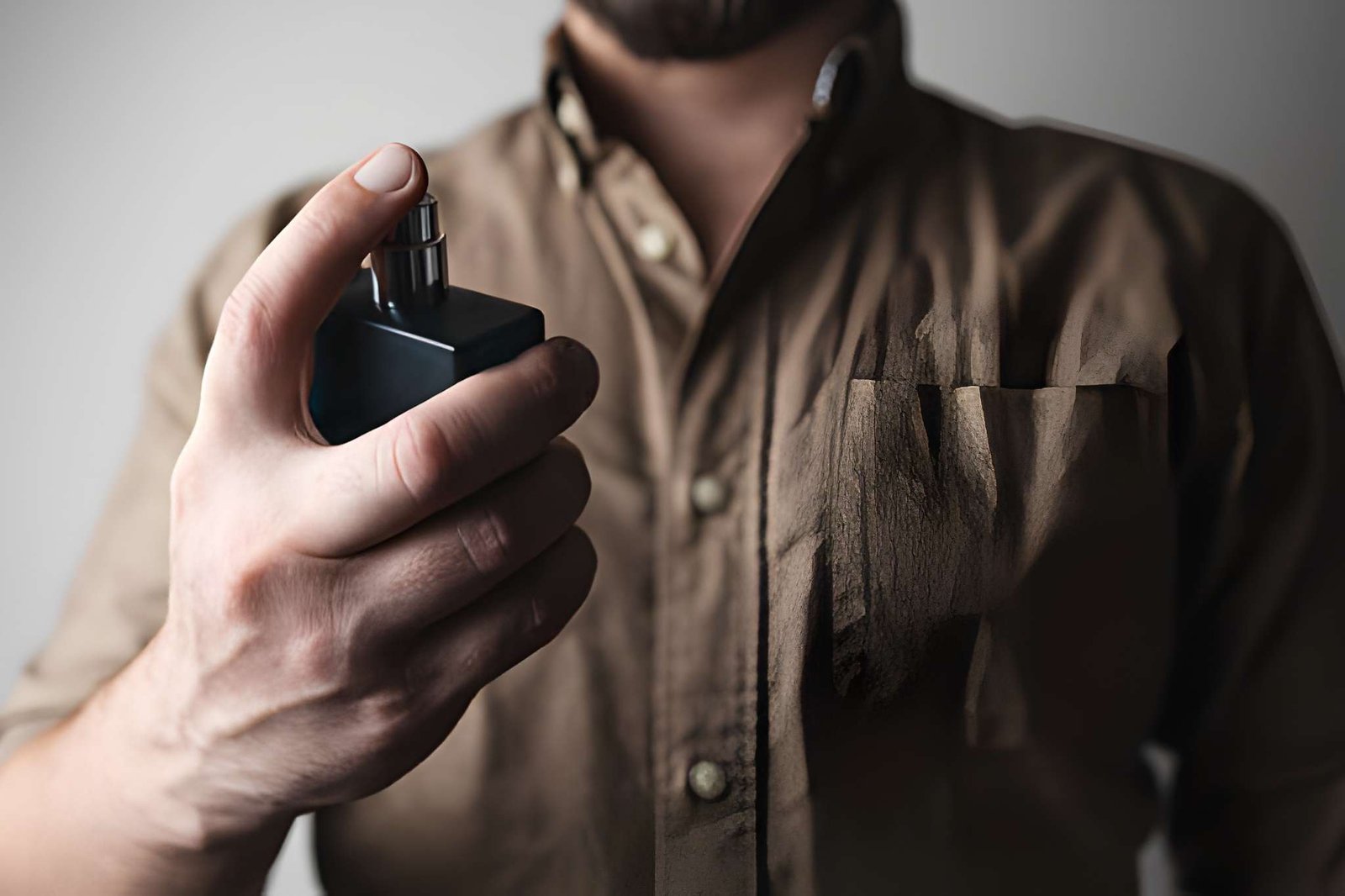
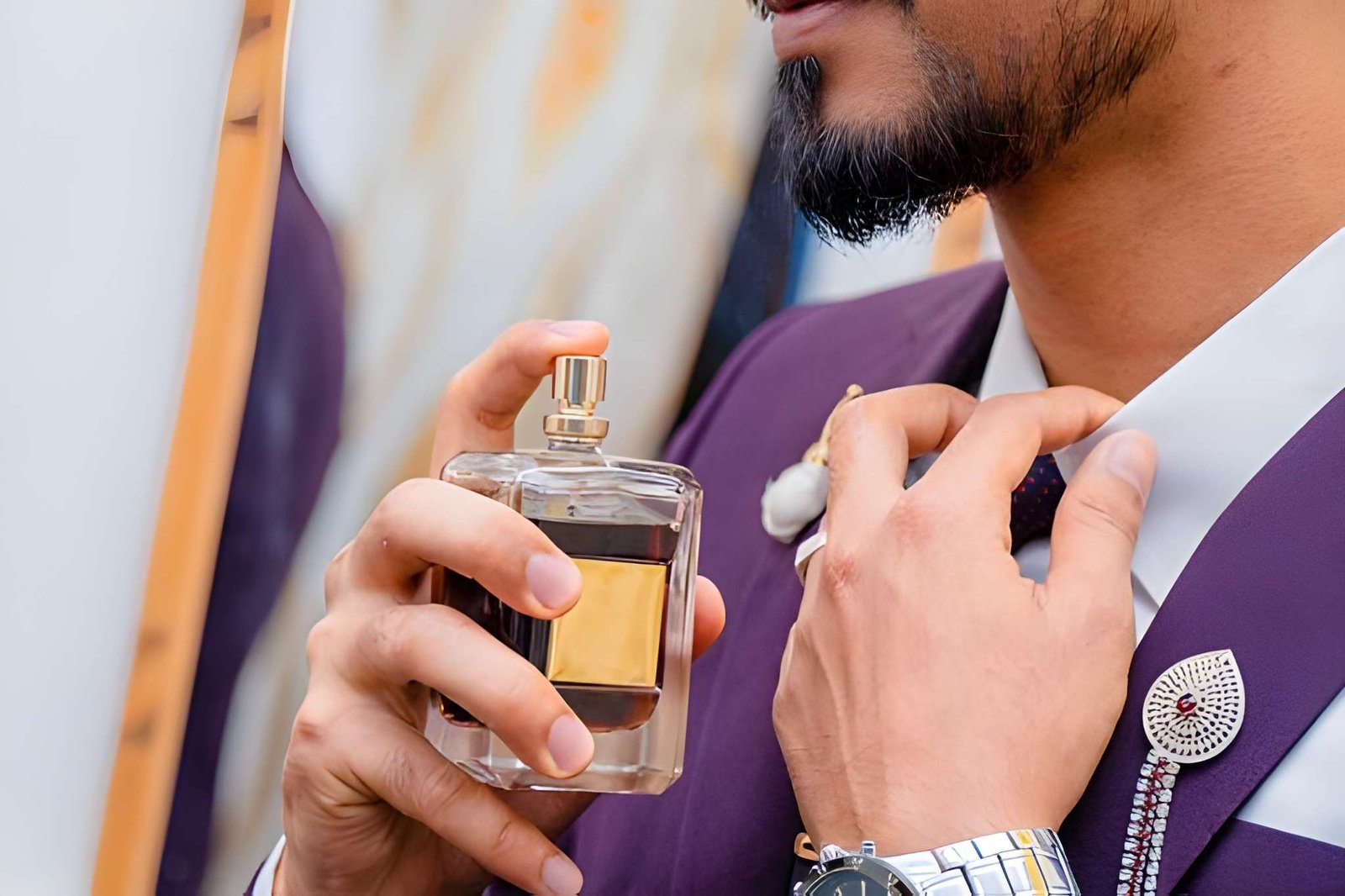
To get the best results from your EDT, apply it to your pulse points — the wrists, neck, and behind the ears. These warm areas help to diffuse the scent throughout the day. Because it is lighter, you can reapply your EDT in the afternoon or before an evening out to maintain its presence without overwhelming your surroundings.
Is Oud Perfume Suitable for Everyday Wear? Here’s What You Should Know
The Most Fragrant Flowers in Perfumery
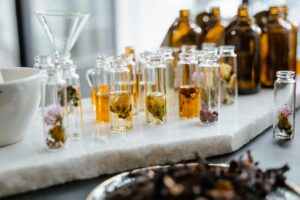
Flowers are the soul of perfumery. Their natural extracts shape some of the world’s most adored fragrances. Here are five of the most aromatic flowers used in perfume creation:
1. Jasmine
Loved for its intoxicating sweetness, jasmine adds warmth and sensuality to both feminine and unisex perfumes. It’s often found in classic and romantic compositions.
2. Rose
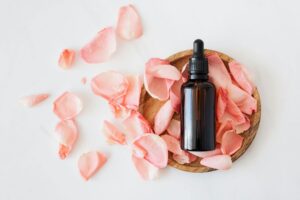
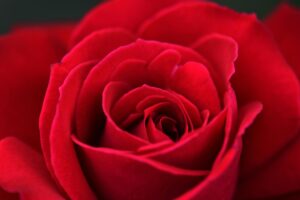
Timeless and elegant, rose lends a powdery, floral richness that symbolises love and sophistication. Modern perfumes often pair it with musk or oud for greater depth.
3. Tuberose
Tuberose blooms at night, releasing a creamy, heady aroma. Its lush scent enhances floral perfumes with a luxurious finish.
4. Lavender
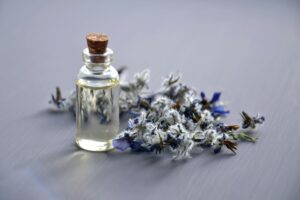
Known for its calming quality, lavender brings a fresh, herbal touch to fragrances. It’s a staple in aromatic and fougère compositions, popular in both men’s and women’s scents.
5. Ylang-Ylang
Derived from tropical blossoms, ylang-ylang offers a mix of fruity and floral nuances, adding a vibrant and exotic character to perfumes.
Best Oud Perfumes for Women Who Prefer Bold, Intense Scents
Top 5 Perfumes for Her
Choosing the right perfume for women often depends on personality and lifestyle. Here are five styles that remain timeless:
- Floral Bouquets: Ideal for romantic personalities who enjoy soft, graceful aromas.
- Oriental Scents: Enriched with spices, vanilla, and amber notes — perfect for evening wear.
- Fresh Citrus Blends: A rejuvenating choice for everyday confidence.
- Woody Florals: Combine femininity and strength through creamy sandalwood and white petals.
- Musk Infusions: For subtle sophistication and long-lasting charm.
Top 5 Perfumes for Him
Men’s fragrances tend to emphasise strength, refinement, and confidence. Here are five enduring categories that define masculine scent profiles:
- Woody Aromatics: Deep cedar, vetiver, or oud-based scents that exude timeless confidence.
- Citrus Fresh: Light and energising, ideal for daytime wear.
- Amber Spices: Perfect for evening and cooler seasons, with warmth and depth.
- Leather Accents: Strong and elegant, capturing sophistication in every note.
- Aquatic Scents: Fresh and modern, evoking the feel of ocean breezes and understated charm.
How Oud Perfume Can Boost Your Confidence: A Fragrance Journey for Women
What Are the Best Perfume Fragrances for Around the Pool?
Fragrances for poolside settings should feel light, clean, and breezy. Avoid strong musky or spicy notes, as they can become overpowering in the heat. Opt instead for perfumes with marine, citrus, or green elements to refresh and uplift the senses. Think of oceanic blends mixed with lemon, bergamot, bamboo, or sea salt accord perfect for sunny days by the water.
Applying perfume to clothing or hair can also help extend the life of your fragrance when spending time outdoors. EmiriOud fragrances, known for their rich and lasting scent profiles, tend to perform especially well when lightly applied to fabric or hair. These surfaces hold fragrance longer, allowing the aroma to develop gradually throughout the day. Just remember to spritz lightly, as heat can amplify the strength of a scent and make it more noticeable than intended.
FAQs
1. What makes oud so expensive?
Oud is derived from the resin of Aquilaria trees infected with a specific mould. Its rarity and complex extraction process make it one of the most costly natural fragrance ingredients in the world.
2. How long does an EDT last compared to an EDP?
EDT usually lasts around three to five hours, whereas EDP can linger for up to eight hours or more due to its higher oil concentration.
3. Can I wear oud perfume in summer?
Yes, but choose lighter oud blends with added citrus or floral notes. These provide balance and ensure the scent isn’t too heavy in warm weather.
4. Which perfume notes are best for daytime wear?
Fresh citrus, green, and aquatic notes work best for daytime as they exude energy and cleanliness without overpowering your surroundings.
5. What is the best way to store perfume?
Keep perfume in a cool, dry place away from direct sunlight and temperature changes. This preserves its fragrance integrity and ensures it lasts longer.