What Exactly Is Oud?
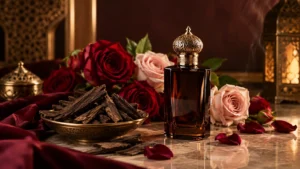
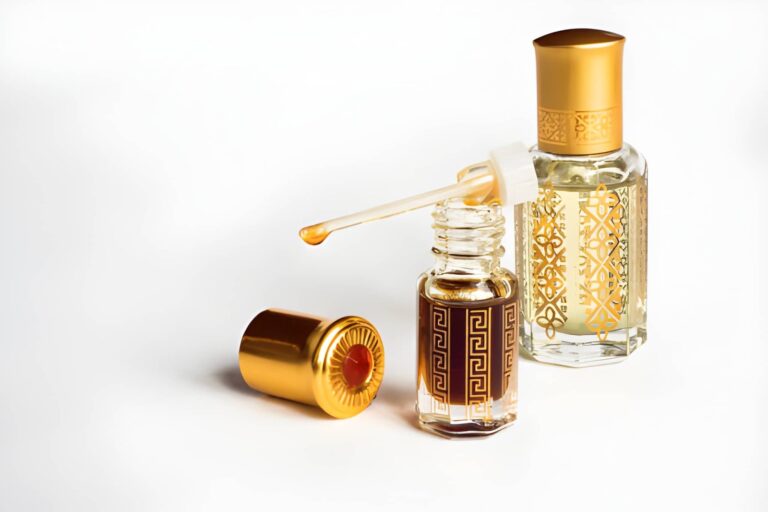
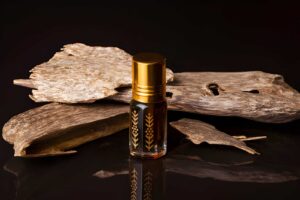
Oud, also known as oudh or agarwood, is one of the most luxurious and sought-after ingredients in the world of perfumery. Derived from the resinous heartwood of the Aquilaria tree, oud forms as a natural reaction when the tree becomes infected with a particular type of mould. Over time, this infection creates a dark, fragrant resin that is carefully distilled to produce oud oil. Known as ‘liquid gold’ in the fragrance industry, oud is treasured for its deep, complex scent profile and rarity. In recent years, oud perfume in the UK has gained significant popularity, with many fragrance lovers appreciating its rich, long-lasting and sophisticated aroma.
What Does the Word “Oud” Mean?
The word ‘oud’ comes from the Arabic term for ‘wood’. In many Middle Eastern cultures, it refers both to the wood itself and the precious oil extracted from it. Oud has been revered for centuries across Arabia, India, and Southeast Asia not only as a perfume ingredient but also for its cultural and spiritual significance.
A Brief History and the Culture of Oud
Oud use dates back thousands of years and features prominently in the cultural traditions of the Middle East and South Asia. It was historically burned as incense in royal courts and temples, symbolising purity and luxury. As trade routes expanded, oud travelled westward and began shaping the global fragrance landscape. Today, while its essence remains deeply rooted in tradition, it has found a stronghold in modern perfumery.
Why Is Oud So Special?
Oud’s appeal lies in its incredibly rich, multifaceted aroma. Its scent is at once woody, smoky, leathery, and sweet – a balance of opposites that creates an irresistibly powerful fragrance experience. Moreover, oud has remarkable longevity on the skin, making it a perfect base for long-lasting perfumes. This is why many fragrance enthusiasts search for the best oud perfume in the UK to enjoy its luxurious and enduring scent throughout the day.
Why Is Oud So Expensive?
The rarity of naturally occurring resin makes oud one of the priciest ingredients used in perfumery. Only a small percentage of Aquilaria trees develop the resin, which takes years to mature. Sustainable harvesting and traditional distillation methods further add to its cost. Synthetic and cultivated alternatives exist, but true natural oud remains a collector’s treasure.
The Value of Oud Essential Oil
Oud essential oil is sometimes referred to as ‘black gold’ due to its price per ounce often surpassing that of fine metals. Its value lies not only in its scarcity but also in its unique olfactory complexity – every batch of oil smells slightly different depending on the tree’s origin, age, and environment.
What Does Oud Smell Like?
Oud’s fragrance is difficult to describe in simple terms. It carries notes of warm woods, rich spices, leather, and a subtle sweetness that can only be experienced firsthand. Some describe it as smoky and animalic, others as resinous and balsamic. The scent evolves beautifully over time, becoming deeper and smoother as it settles on the skin.
How Did Oud Become So Popular?
Oud’s global rise can be traced to its introduction in high-end perfumery. When Western perfumers discovered its depth and versatility, they began incorporating it into contemporary fragrance compositions. Its exotic, sensual profile quickly captivated perfume enthusiasts worldwide, making oud a defining trend in luxury scent creation.
The Use of Oud in Modern Perfumery
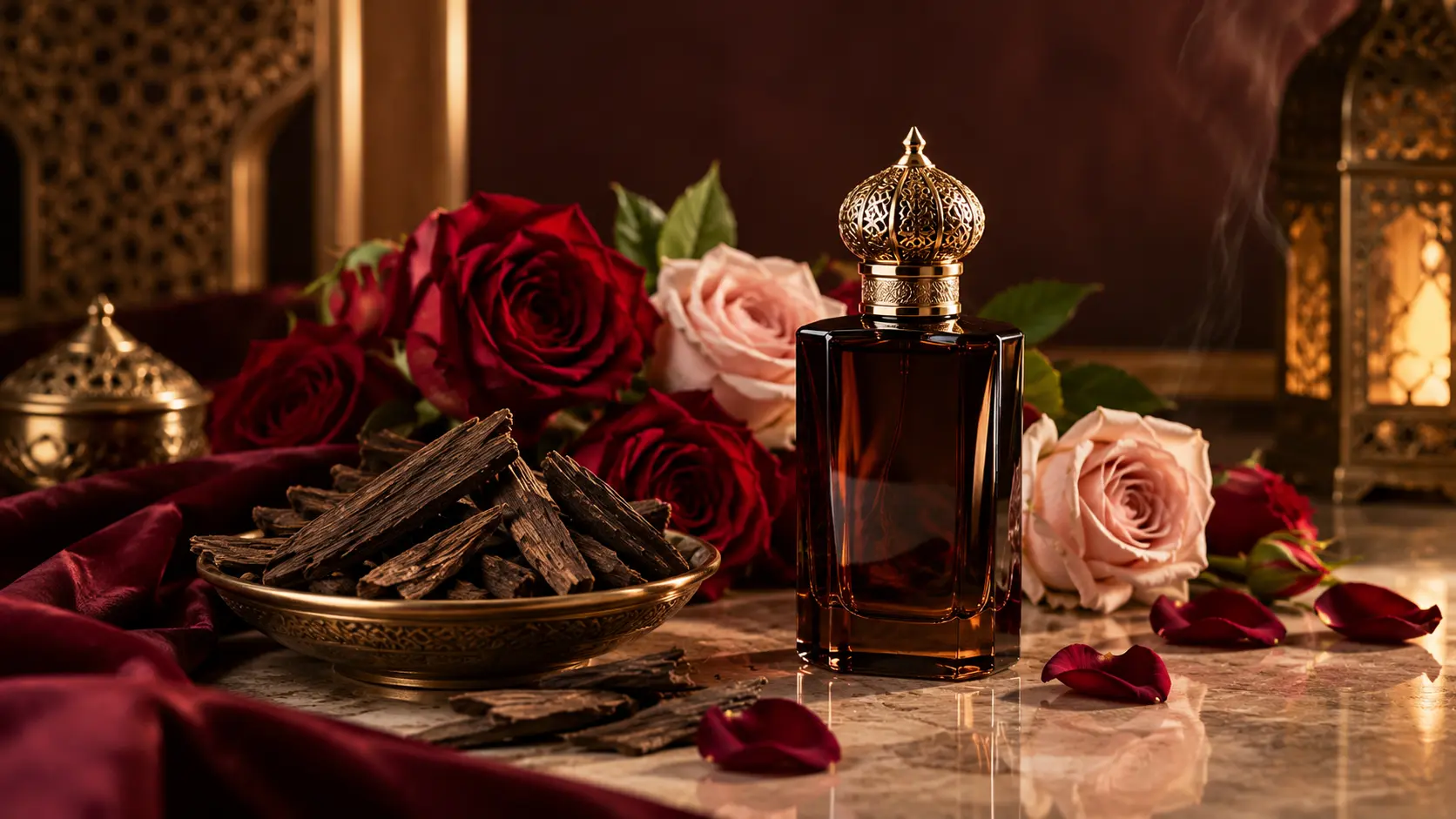
Modern perfumery often embraces oud as a base note because of its ability to anchor and enhance other ingredients. It pairs beautifully with rose, amber, vanilla, and spices, enriching fragrances with warmth and sophistication. Today, perfume creators use both natural and synthetic ouds to ensure sustainability while preserving the authentic character of this treasured note.
What Does Oud Bring to a Fragrance?
Oud adds depth, richness, and an alluring earthiness to perfumes. It enhances the overall longevity and complexity of a fragrance, often turning simple blends into powerful, evocative statements. Oud transforms a perfume into a sensory experience – mysterious, elegant, and unforgettable.
How Is Oud Incorporated Into Fragrances?
Oud can be used in pure essential oil form or as an accord crafted from various aromatic molecules that mimic its characteristics. It is commonly used as a base note to provide structure and lasting intensity. Depending on the perfumer’s intention, it can evoke anything from smoky woods to velvety sweetness.
Numerous Benefits and Uses of Oud
Beyond perfumery, oud has been valued in traditional medicine and aromatherapy for its calming and grounding effects. It is often used in spiritual rituals for meditation and relaxation, believed to balance emotions and promote mindfulness.
Can Oud Be Found in Other Fragrance Formats?
Yes, oud’s appeal extends beyond perfumes. It is found in colognes, scented soaps, hair mists, and body lotions, offering a complete sensory layering experience. These formats allow fragrance lovers to enjoy oud’s long-lasting aroma in everyday life.
So, Is My Perfume Made With Synthetic Oud?
Most modern perfumes now use either cultivated or synthetic oud to protect natural resources. Synthetic versions are carefully designed to replicate the complex odour profile of genuine oud while enabling sustainable production. Many perfumers skilfully blend natural and synthetic variants to achieve the perfect balance of authenticity, quality, and affordability.
Explore Our Fragrance Specialties
Our perfumers craft distinctive creations that capture oud’s essence in various expressions – from intense and smoky interpretations to soft, floral blends. Each composition highlights the art of blending tradition with innovation, revealing why oud continues to enchant fragrance lovers around the world.
You May Also Be Interested In
If you’re drawn to the mystique of oud, you may also appreciate other globally inspired scent stories such as cherry blossom and cedarwood. Each carries its own cultural symbolism, offering an enlightening journey through the artistry of perfumery. EmiriOud brings this luxurious fragrance experience to life with refined blends that celebrate tradition, elegance, and modern sophistication.
FAQs
What part of the tree produces oud?
Oud is formed when the heartwood of the Aquilaria tree becomes infected with a mould that triggers the production of a fragrant resin.
Is oud suitable for everyday wear?
Although oud is often associated with luxury or evening scents, lighter blends and modern interpretations make it ideal for daily use.
How long does oud fragrance last on the skin?
Oud is known for its exceptional longevity, often lasting from morning until night due to its dense molecular structure.
Can oud be layered with other scents?
Absolutely. Oud pairs well with floral, spicy, or citrus notes, creating a balanced and personalised fragrance experience.
Is there a difference between natural and synthetic oud?
Yes. Natural oud is derived from agarwood, while synthetic oud is lab-created to replicate its aroma. Both can be of high quality and are used for different olfactory effects.