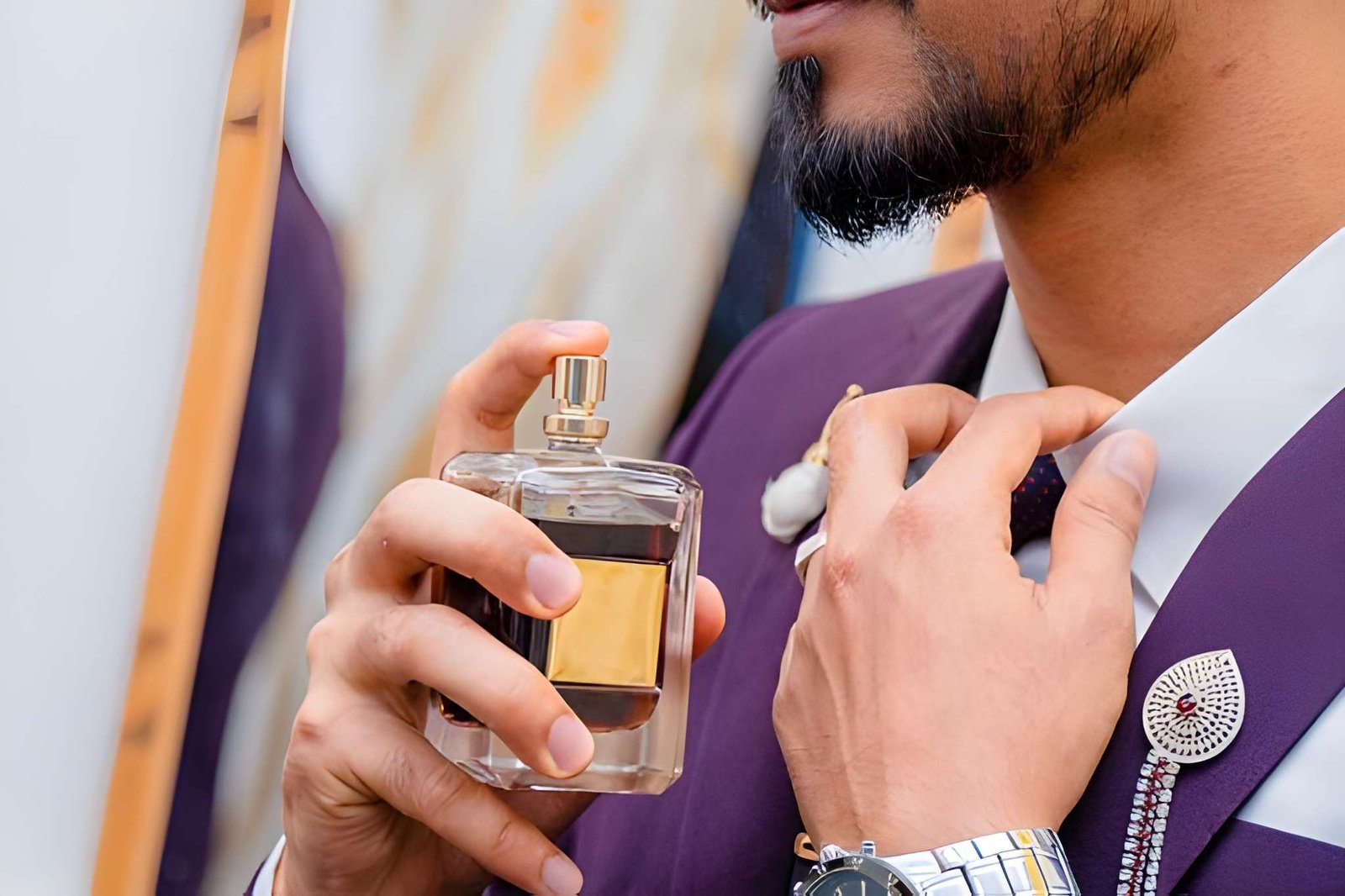
What Is Oud and Why Is It Unique?
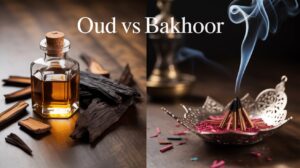
Oud, often referred to as ‘liquid gold’, is one of the rarest and most luxurious ingredients in perfumery. It originates from the heartwood of Aquilaria trees, which produce a dark, resinous substance known as agarwood when infected by a specific type of mould. The result is an aroma both complex and deeply evocative — one that has captivated perfumers and perfume lovers for centuries.
What Is Oud Made Of?
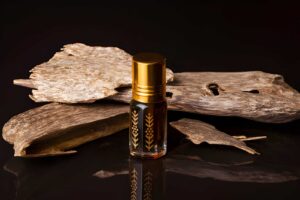
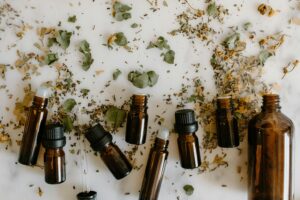
Oud is derived from agarwood, a resin formed as the tree’s defence mechanism against natural infection. The longer this resin matures, the richer and more nuanced its scent becomes. High-grade oud oil is extracted through steam distillation of aged, resinous wood, with each step carried out meticulously to preserve its quality.
How Is Oud Made?
The creation of oud is a delicate process. Once an Aquilaria tree becomes infected, it can take several years for the resin to develop enough to be harvested. The wood is then processed to isolate the resinous sections, which are either distilled into oil or used directly as incense. Traditional distillation methods are preferred as they yield oils with exceptional depth, while ensuring minimal loss of the precious resin.
Which Countries Produce Oud?
Oud production is largely concentrated in regions across Southeast Asia and the Middle East. Countries renowned for oud cultivation include Cambodia, Laos, Vietnam, Thailand, and India, each producing distinctive scent profiles influenced by soil, climate, and traditional distillation methods. Arabian and Indian ouds are known for their earthy richness, whereas Cambodian or Laotian ouds tend to offer sweeter, fruitier nuances.
What Does Oud Smell Like?
Describing oud’s scent is a challenge in itself, as it varies based on origin and extraction method. Generally, it carries a warm, woody, and smoky aroma layered with animalic, balsamic, and sometimes sweet or leathery undertones. Its depth allows it to blend beautifully with other perfume ingredients, creating long-lasting fragrances that evolve throughout the day.
Why Is Oud Expensive?
Oud’s price reflects its rarity and the complexity of extraction. Only a small percentage of Aquilaria trees develop the sought-after resin, making it exceptionally scarce. Moreover, ethical cultivation, sustainable harvesting, and time-intensive distillation all contribute to its high value. Pure oud oil can sometimes be more valuable than gold by weight, symbolising luxury and exclusivity in perfumery.
Why Are Most Oud Perfumes Synthetic?
Given oud’s scarcity, many modern perfumers use synthetic or nature-identical molecules to replicate its aroma. These lab-created versions are more sustainable and affordable but often lack the natural depth and evolving character of genuine oud. Skilled perfumers may blend synthetic ouds with natural ingredients to balance authenticity and accessibility while maintaining ethical standards.
How to Spot the Difference Between Real and Synthetic Oud
Real oud typically exhibits a rich, layered complexity, changing subtly over time when applied to the skin. It has smoky and earthy base tones with natural irregularities in its aroma. Synthetic oud, meanwhile, tends to have a more consistent, linear scent profile. The longevity and evolving nature of authentic oud oil are key indicators of its purity.
How Does Oud Enhance a Perfume?
Oud serves as a remarkable base note, grounding a fragrance with depth and sophistication. It amplifies other notes, such as rose, jasmine, amber, and musk, by adding warmth and persistence. Even when used sparingly, oud can transform a composition into something bold and lasting, making it a prized element in high-end perfumery.
How Long Does Oud Perfume Last?
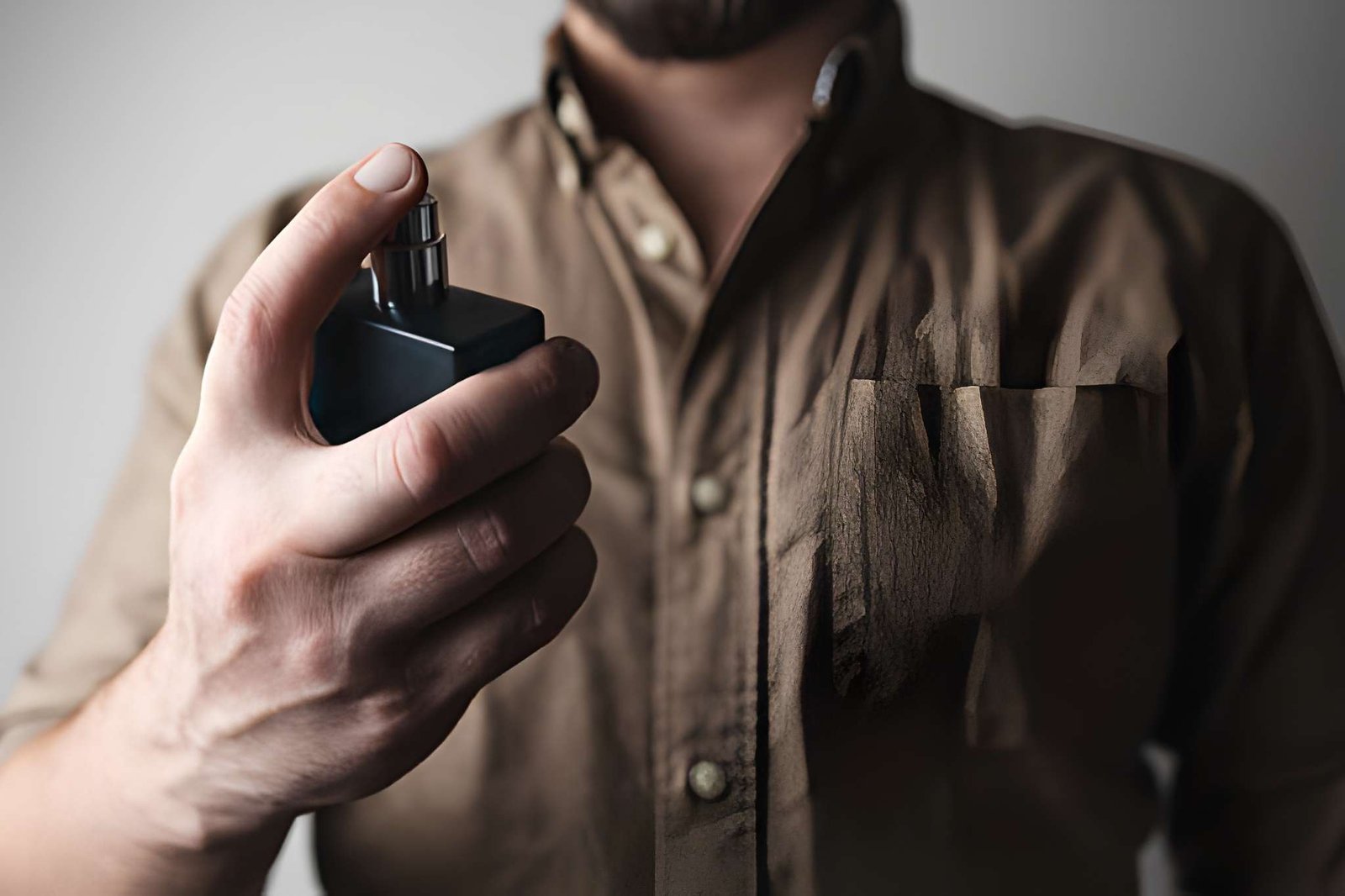
Oud perfumes are renowned for their longevity. Thanks to the dense molecular structure of its oil, oud can remain detectable on the skin for over 12 hours — and on fabrics, sometimes even longer. Its longevity depends on concentration levels, pairing ingredients, and individual skin chemistry, but its staying power is unparalleled compared to most other natural essences.
What Is Oud Good For?
Beyond its enchanting scent, oud has a rich cultural and therapeutic heritage. It has been used in traditional medicine and spiritual practices for centuries. The oil is believed to aid relaxation, relieve tension, and promote mental clarity. Its aroma symbolises tranquillity and grounding, making it a popular choice for mindful living and meditative environments.
How Did Oud Become a Must-Have Note in Perfumery?
Oud’s transition from regional treasure to a global luxury note occurred as Western perfumers began to explore Eastern olfactory traditions. Its exotic, smoky allure contrasted sharply with lighter, floral Western scents, creating a new wave of captivating compositions. Today, oud stands as both a cultural bridge and a hallmark of sophistication in modern perfumery.
Oud and Rose: A Timeless Harmony
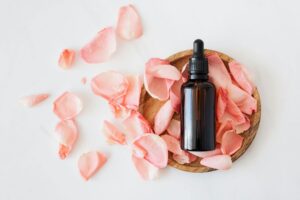
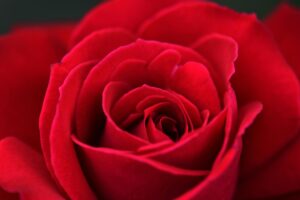
Few combinations are as iconic as oud and rose. The deep, resinous base of oud paired with the soft, romantic tones of rose creates a scent that is both balanced and intoxicating. This duo continues to define many luxury fragrances, symbolising the perfect blend of strength and elegance.
Try the Ultimate All-Natural Agarwood Perfume
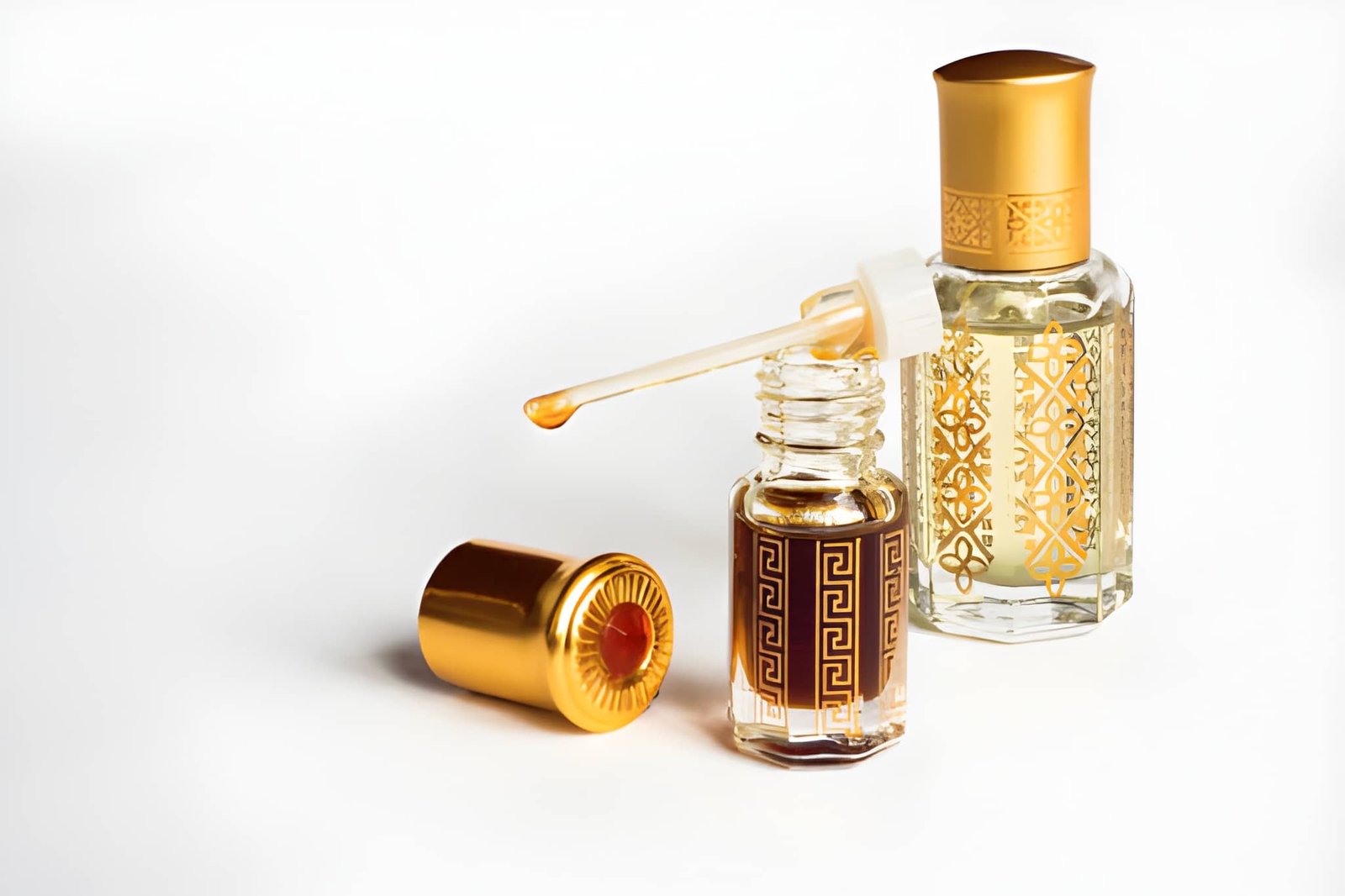
For those seeking authenticity, natural oud perfumes offer a sensory journey unlike any other. Each drop reveals layers of history, craftsmanship, and pure artistry. Choosing all-natural oud ensures a genuine connection with one of the rarest gifts nature has to offer.
FAQs
What makes oud different from other woods used in perfumes?
Unlike most woods, oud produces a resin with a uniquely rich and evolving aroma. Its scent deepens over time and interacts with the wearer’s skin chemistry, resulting in a truly personal fragrance experience.
Is oud suitable for daily wear?
Yes, though oud is often associated with statement scents, lighter concentrations or blends with floral and citrus notes make it perfectly wearable for everyday use.
Can vegans use oud perfumes?
Yes, oud is plant-derived. However, those concerned about sustainability or ethics should seek perfumes using responsibly sourced or synthetic oud alternatives.
How can I store oud oil or perfume?
Keep oud oil in a cool, dark place away from direct sunlight and extreme temperatures to preserve its complex aroma and longevity.
Why does oud smell different on each person?
Oud interacts with natural skin oils and body chemistry, which can alter its projection and tone. This unique interaction gives oud its mystique and allure, making each experience individual.