Oud or Sandalwood Recommendations
Choosing between oud and sandalwood can feel like diving into a world of deep, complex aromas. Both are revered natural essences used in perfumery for centuries, yet each holds a distinct personality. Whether you’re a beginner or a seasoned fragrance enthusiast, understanding their qualities will help you make a more informed purchase.
At EmiriOud, these timeless ingredients are appreciated for their rich heritage and distinctive scent profiles, helping fragrance lovers explore and understand the unique depth of oud and the smooth elegance of sandalwood.
The Essence of Oud
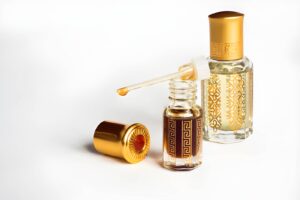
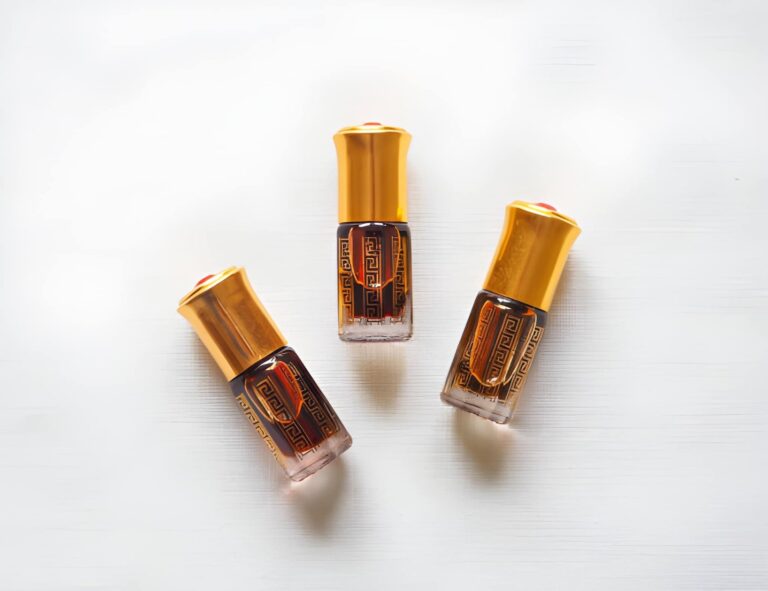
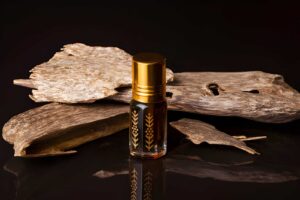
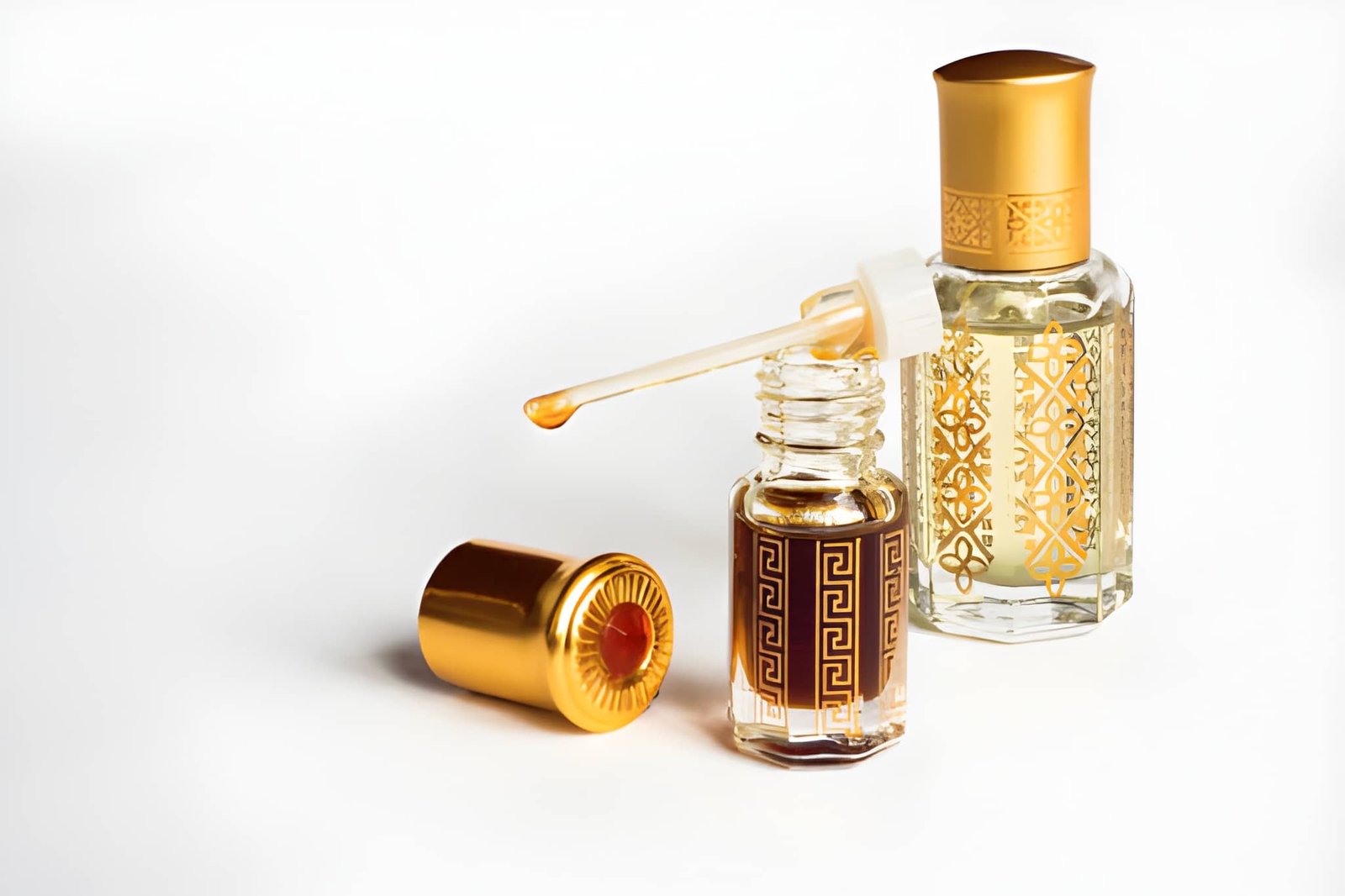
Oud, often referred to as ‘liquid gold,’ is derived from the resinous heartwood of aquilaria trees. It’s known for its rich, deep, and often smoky profile that can vary from sweet to animalic. Because of its rarity and the long process of formation, authentic oud oils tend to be more expensive but are unmatched in depth and complexity.
The Beauty of Sandalwood
Sandalwood, in contrast, evokes warmth, creaminess, and subtle sweetness. It’s less overpowering than oud and is often used as a base note to add smoothness to fragrances. The wood’s oil matures beautifully, offering soft, tranquil tones that appeal to those seeking calm and comfort in a scent.
Opinions Before Sandalwood Purchase
Before buying sandalwood oils or perfumes, consider origin, sustainability, and authenticity. Indian sandalwood (Santalum album) is prized for its buttery, long-lasting aroma, though it has become rare and heavily regulated. Alternatives from Australia and New Caledonia offer affordable options with distinct aromatic nuances while being more eco-conscious.
It’s always wise to check for purity and quality certifications or consult trusted artisans who specialise in natural oils. Remember, genuine sandalwood deepens with age — a testament to its enduring beauty.
Oud vs amber: A Complete Comparison
Oud Recommendations for Beginners
Beginners should start with lighter or blended oud profiles. These are easier to appreciate and introduce your nose to oud’s intricate character without overwhelming intensity. Look for compositions that balance oud with florals, amber, or citrus to provide a smoother transition into heavier aromas.
Additionally, small sample sizes allow exploration without large commitment. As you become more familiar, you can move on to pure oud oils, discovering their diverse regional profiles — from the sweet and balsamic Cambodian oud to the leathery and smoky Indian oud.
Sandalwood Recommendations and Uses
Sandalwood suits anyone who loves subtle elegance and calm. It works beautifully as a standalone fragrance, or as a companion to warmer, spicier notes like amber or cardamom. For a meditative or grounding experience, use it during relaxation rituals or as home fragrance oil.
When buying sandalwood products, ensure the term ‘pure essential oil’ or ‘natural extract’ is clearly stated on the label. Synthetic versions can mimic the scent but lack the depth and restorative properties of true sandalwood.
What is oud made of in the UK?
Comparing Oud and Sandalwood
While both are woody, oud leans darker and more resinous, projecting sophistication and mystery. Sandalwood, on the other hand, is creamy and serene, promoting clarity and warmth. Oud makes a statement in colder seasons and evening settings, while sandalwood shines in daytime wear or intimate environments where its subtlety can be appreciated.
Your choice depends on mood and setting: choose oud when you want to command attention, and sandalwood when you wish to exude calm confidence.
Expert Tips for Buying Oud and Sandalwood
- Know your source: Buy from reputable artisans to ensure authenticity.
- Start small: Try samples before committing to a full-size bottle.
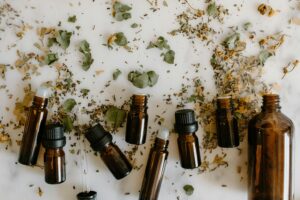
- Storage matters: Keep oils in dark glass bottles, away from direct sunlight to preserve quality.
- Smell in stages: Evaluate the scent after application — the base notes reveal the true essence.
- Respect rarity: Understand that true oud and sandalwood are scarce and prices often reflect that.
Related Insights from Enthusiasts
Fragrance communities often describe oud as a transformative scent that tells a story — evolving over hours with unpredictable complexity. Sandalwood, in contrast, is praised for its consistency, offering comfort through its creamy, woody trail. Many enthusiasts recommend starting with blends to experience how both woods harmonise together.
What is the difference between perfume and oud?
Final Thoughts
Both oud and sandalwood deserve a place in any fragrance collection. Whether you’re drawn to oud’s intensity or sandalwood’s serenity, both reward exploration. The ideal choice ultimately depends on your taste, mood, and the experience you wish to convey through scent.
FAQs
1. Which lasts longer, oud or sandalwood?
Oud typically lasts longer due to its dense, resinous nature. Sandalwood, while softer, also offers impressive longevity, especially in high-quality natural oils.
2. Is sandalwood good for sensitive skin?
Pure sandalwood oil is often gentle on the skin, but always perform a patch test first. Avoid synthetic versions if you’re sensitive to artificial ingredients.
3. Can oud and sandalwood be worn together?
Yes, they complement each other beautifully. Oud provides richness while sandalwood smooths the edges, creating a balanced, luxurious scent.
4. Why is oud more expensive than other essential oils?
Oud comes from infected aquilaria trees that take years to form resin. The rarity of natural sources and labour-intensive extraction contribute to its high price.
5. How do I identify genuine oud and sandalwood?
Check for botanical names, trusted sources, and certifications. Genuine oils reveal complexity and depth, unlike flat synthetic imitations that fade quickly.